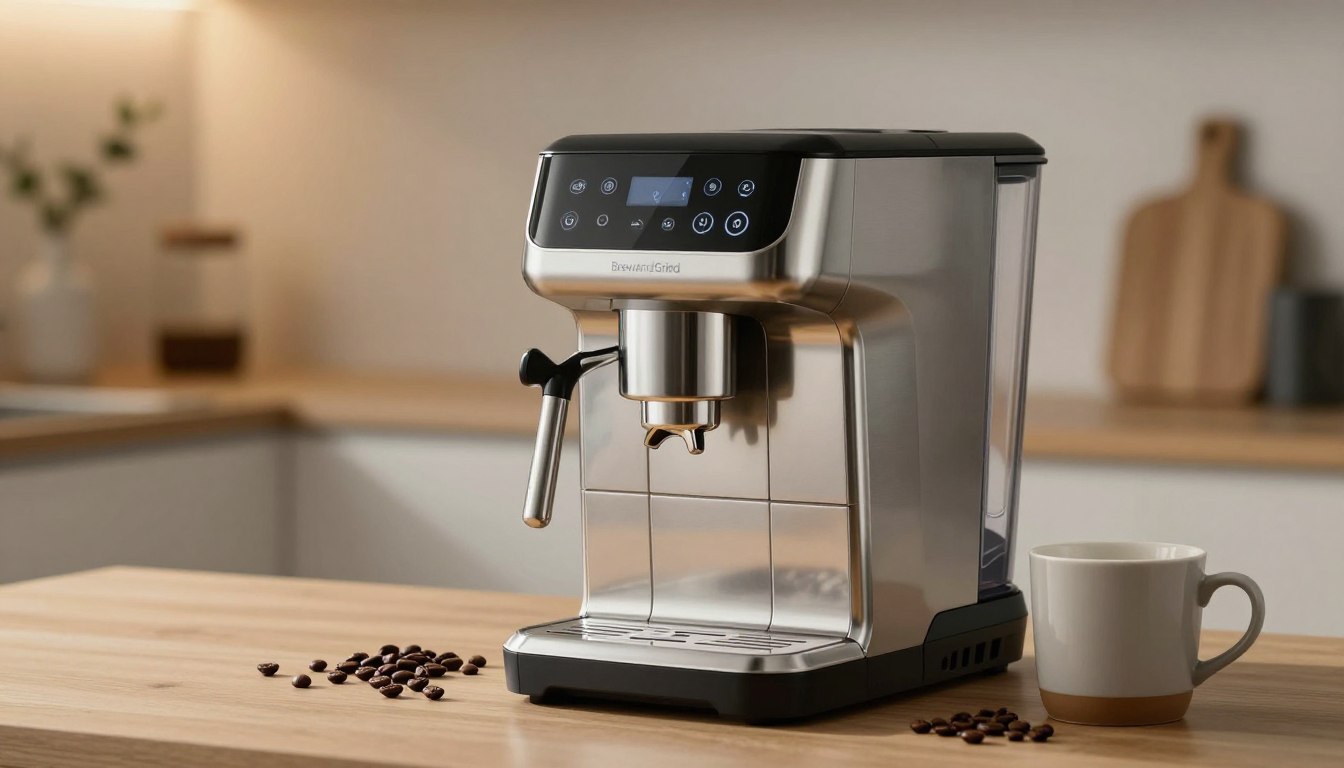
Can a modern espresso machine be both functional and beautiful? The answer lies in thoughtful design. A well-crafted coffee setup can elevate your daily ritual, making it a true sensory experience.
Designing the perfect coffee machine requires a deep understanding of both form and function. Our guide provides inspiration and practical advice to help you create your dream coffee setup, exploring the latest trends and ideas in coffee machine design.
Key Takeaways
- Understand the principles of good design for a coffee setup
- Explore the latest trends in modern espresso machines
- Discover practical tips for creating a functional and beautiful coffee space
- Learn how to balance form and function in your coffee machine design
- Get inspiration from innovative coffee makers
The Evolution of Coffee Machine Design
The design of coffee machines has undergone significant transformations over the years, driven by advances in technology and changing consumer preferences. According to the National Coffee Association’s 2024 report, 83% of past-day coffee drinkers brewed their coffee at home, marking a 4% increase since 2020. This shift towards home brewing has fueled the demand for innovative and aesthetically pleasing coffee machines.
Historical Coffee Machine Designs
Historically, coffee machines were simple in design, focusing on functionality rather than aesthetics. Early drip coffee makers and percolators were the norm, with designs that were often bulky and lacking in style. However, as coffee culture evolved, so did the design of coffee machines, incorporating new materials and technologies.
Modern Coffee Machine Aesthetics
Today, modern coffee machine design emphasizes both form and function. Machines now come in a variety of styles, from sleek and minimalist to retro-inspired designs. The incorporation of smart technology has also become a key trend, with many machines now featuring Wi-Fi connectivity and mobile app control.
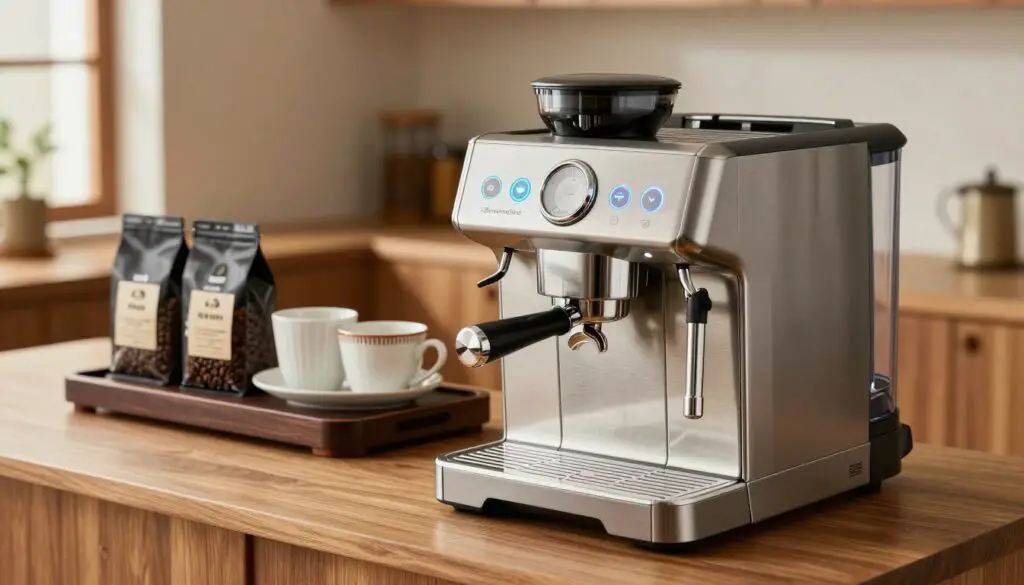
Future Trends in Coffee Technology
Looking ahead, the future of coffee machine design is likely to be shaped by continued advancements in technology and sustainability. As quoted by a leading industry expert, “Coffee machine design will focus on energy efficiency and eco-friendliness, aligning with the growing consumer demand for sustainable products.” The trend towards personalization and customization is also expected to play a significant role in the evolution of coffee machine design.
Understanding Coffee Machine Fundamentals
Coffee machine fundamentals are the backbone of any innovative coffee machine design, influencing both functionality and user experience. A well-designed coffee machine is not just about aesthetics; it’s about understanding the core components that make it work.
Basic Components and Their Functions
The basic components of a coffee machine include the brewing system, water management system, and heating element. Each of these components plays a crucial role in the overall performance of the machine.
Brewing Systems
The brewing system is responsible for extracting flavors from coffee grounds. Different brewing methods, such as drip brewing, French press, or espresso, require distinct brewing system designs.
Water Management
Effective water management is critical for consistent coffee quality. This includes water heating, filtration, and distribution within the machine.
Different Brewing Methods and Their Design Requirements
Various brewing methods have unique design requirements. For instance, espresso machines require high pressure and precise temperature control, while drip brewers need to ensure even water distribution. Understanding these requirements is key to developing coffee machine design ideas that cater to different user preferences.
As noted by a coffee machine expert, “The design of a coffee machine should be driven by the brewing method it employs, ensuring that the machine is both functional and user-friendly.” 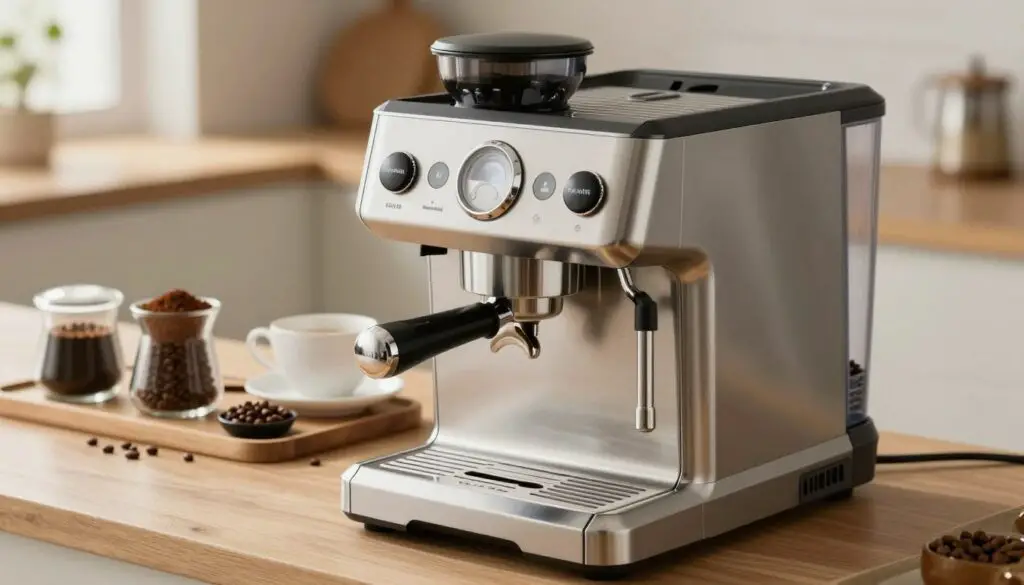
Defining Your Coffee Machine Design Goals
The journey to a perfectly designed coffee machine begins with understanding your coffee preferences. Whether you prefer a stylish coffee maker that complements your kitchen decor or a cutting-edge coffee machine design that incorporates the latest technology, your design goals should reflect your needs.
Identifying Your Coffee Preferences
Start by considering how you use your coffee machine. Do you prioritize speed, or are you willing to wait for a more nuanced brewing process? Your answers will help guide your design decisions.
Balancing Aesthetics and Functionality
A sl sleek coffee machine design can be a beautiful addition to any kitchen, but it’s equally important to ensure that the machine is functional and user-friendly. Striking the right balance between aesthetics and functionality is key.
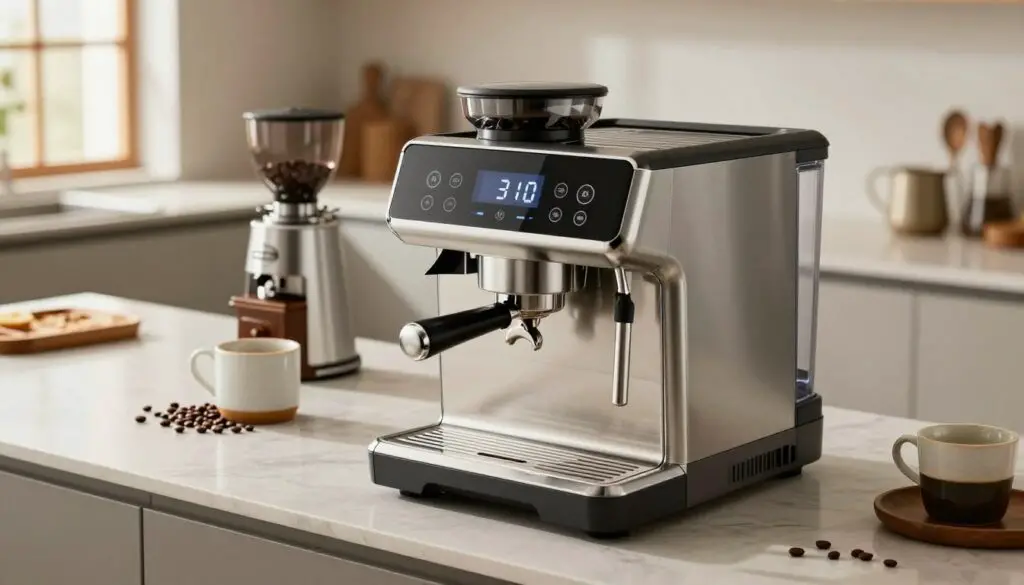
Setting Design Parameters
Once you’ve identified your priorities, set clear design parameters. This might include considerations like size, material, and features. By establishing these parameters early on, you can create a coffee machine that meets your needs and enhances your brewing experience.
Principles of Effective Coffee Machine Design
Designing a coffee machine that is both functional and aesthetically pleasing requires careful consideration of several key principles. A well-designed coffee machine should not only be functional but also visually appealing, reflecting the user’s personal style.
To achieve this, designers must balance various elements to create a contemporary coffee appliance that stands out. One of the fundamental principles is that form follows function.
Form Follows Function
The design of a coffee machine should be driven by its functionality. This means that the shape, size, and features of the machine should be determined by its intended use. For instance, a state-of-the-art coffee machine might incorporate advanced brewing technologies that require specific design elements to function effectively.
User-Centered Design Approach
Adopting a user-centered design approach ensures that the coffee machine is intuitive and easy to use. This involves understanding the needs and preferences of the target user and designing the machine accordingly. For example, a user-friendly interface and clear instructions can make a significant difference in the overall user experience.
Aesthetic Consistency
Maintaining aesthetic consistency is crucial for creating a visually appealing coffee machine. This involves selecting a design language and sticking to it throughout the machine’s design. A cutting-edge espresso design, for instance, might feature sleek lines, modern materials, and a cohesive color scheme to create a sophisticated look.
By balancing these principles, designers can create a coffee machine that is both functional and beautiful, enhancing the overall coffee-making experience.
Ergonomics in Coffee Machine Design
When it comes to coffee machine design, ergonomics is key to ensuring a seamless and enjoyable brewing process. An ergonomic coffee machine is designed to be comfortable and easy to use, reducing fatigue and making the brewing experience more enjoyable.
User-Friendly Interface Considerations
A user-friendly interface is crucial for an ergonomic coffee machine. This includes clear and intuitive controls, easy-to-read displays, and simple navigation. A well-designed interface can make a significant difference in the overall user experience, allowing users to quickly and easily select their preferred brewing options.
Optimal Placement of Controls and Components
The placement of controls and components is also critical in ergonomic coffee machine design. Controls should be placed in a logical and accessible location, making it easy for users to adjust settings without straining or reaching. The should be designed to minimize clutter and reduce visual noise, creating a clean and streamlined appearance.
Accessibility Features
Accessibility features are also an important consideration in ergonomic coffee machine design. This includes features such as adjustable height settings, easy-to-use handles, and simple cleaning mechanisms. By incorporating these features, designers can create a user-friendly coffee machine that is accessible to a wide range of users, regardless of age or ability.
By prioritizing ergonomics in coffee machine design, manufacturers can create products that are both functional and enjoyable to use. Whether you’re designing a sleek coffee brewer for a modern kitchen or a commercial coffee machine for a busy café, ergonomics should be at the forefront of your design considerations.
Materials and Aesthetics for Contemporary Coffee Machines
In the realm of coffee machine design, the choice of materials and aesthetics plays a crucial role in defining the product’s overall appeal and functionality. As consumers become more discerning, the demand for coffee machines that are not only efficient but also visually appealing and sustainable has increased.
Selecting Durable and Food-Safe Materials
The selection of materials for coffee machines is critical, as they must be durable, easy to clean, and safe for contact with food and beverages. Stainless steel and BPA-free plastics are popular choices due to their durability and resistance to corrosion. These materials also offer a modern aesthetic that many consumers find appealing.
Color Schemes and Surface Finishes
The color scheme and surface finish of a coffee machine can significantly impact its visual appeal. Designers often choose neutral tones such as stainless steel, white, or black, as they are timeless and can easily fit into various kitchen décors. Some manufacturers also offer customizable color options to allow consumers to personalize their coffee machines.
Incorporating Sustainable Materials
With the growing awareness of environmental issues, incorporating sustainable materials into coffee machine design has become increasingly important. Manufacturers are now exploring the use of eco-friendly materials that not only reduce environmental impact but also add a unique aesthetic to the product.
Biodegradable Options
Biodegradable materials, such as bioplastics made from renewable biomass sources, are being considered for use in coffee machine components. These materials can reduce waste and lower the carbon footprint of the product.
Recycled Materials
Using recycled materials is another strategy for making coffee machines more sustainable. Recycled stainless steel and aluminum can be used for the machine’s body, reducing the need for virgin materials and minimizing waste.
By focusing on durable, food-safe, and sustainable materials, and by carefully considering color schemes and surface finishes, designers can create coffee machines that are both innovative and appealing to the modern consumer.
Innovative Coffee Machine Design Features
With the advent of smart technology, coffee machines are becoming more sophisticated than ever. The integration of innovative design features is revolutionizing the coffee machine industry, making it possible for consumers to enjoy a more personalized and convenient coffee experience.
Smart Technology Integration
Smart technology is at the forefront of coffee machine innovation. This technology enables coffee machines to be controlled and customized through various interfaces, enhancing the user experience.
App Connectivity
App connectivity allows users to control their coffee machines remotely through their smartphones. This feature enables users to schedule brewing, adjust settings, and monitor maintenance needs, all from the convenience of their mobile devices.
Voice Control Systems
Voice control systems represent another significant advancement in smart coffee machine technology. By integrating with popular voice assistants, users can command their coffee machines to brew coffee, adjust settings, or report maintenance needs, all without needing to physically interact with the machine.
Customization Options
Customization is a key benefit of modern coffee machine design. Innovative coffee makers now offer a range of customization options, allowing users to tailor their coffee experience to their preferences. This can include selecting coffee strength, choosing from various brewing methods, and adjusting the machine’s settings to suit individual tastes.
Space-Saving Design Solutions
For many consumers, especially those living in urban areas or with limited kitchen space, the size of a coffee machine can be a significant concern. Innovative coffee machine designs now incorporate space-saving solutions, such as compact footprints, wall-mounted units, or machines with foldable parts, making it possible to enjoy high-quality coffee without sacrificing valuable kitchen real estate.
In conclusion, the latest coffee machine designs are not just about aesthetics; they’re about creating a more integrated, personalized, and convenient coffee experience. With features like smart technology integration, customization options, and space-saving designs, the future of coffee machines looks bright and is certainly worth brewing about.
Technical Considerations in Coffee Machine Design
To create a top-rated coffee machine, designers must carefully balance technical considerations with user needs and preferences. This involves a deep understanding of the technical aspects that impact the machine’s performance and efficiency.
Heating Systems and Temperature Control
A crucial technical consideration is the heating system and temperature control mechanism. Advanced heating systems allow for precise temperature control, which is essential for optimal coffee extraction. For instance, some high-end coffee machines use thermoblock heating systems, which provide rapid heating and precise temperature control.
Water Filtration and Management
Water quality is another vital factor in coffee machine design. Effective water filtration systems ensure that the water used for brewing is free from impurities, improving the taste of the coffee. Designers should consider incorporating water filtration technologies that are both effective and easy to maintain.
Energy Efficiency Innovations
Energy efficiency is a key consideration in modern coffee machine design. Consumers are increasingly looking for products that minimize energy consumption without compromising performance. Two significant innovations in this area are:
- Power-Saving Modes: Many modern coffee machines now come with power-saving modes that reduce energy consumption when the machine is not in use.
- Thermal Insulation: Advanced thermal insulation materials help maintain the optimal brewing temperature while reducing energy consumption.
By incorporating these technical considerations, designers can create coffee machines that are not only functional but also energy-efficient and environmentally friendly.
Designing for Different Environments
Coffee machines are used in various settings, from home kitchens to commercial establishments, each requiring a unique design approach. The design considerations for a coffee machine vary significantly depending on its intended use.
Home Coffee Machine Design
For home use, coffee machine design focuses on compactness, ease of use, and aesthetics that fit into domestic kitchens. Modern espresso machines for home use often feature sleek designs and user-friendly interfaces. Designers must balance functionality with space-saving requirements.
Commercial Coffee Machine Considerations
Commercial coffee machines, on the other hand, are designed for durability and high-volume use. They often feature robust construction, advanced brewing capabilities, and designs that facilitate easy maintenance. The aesthetic considerations may differ, as commercial machines are typically used in busy environments where functionality is paramount.
Portable Coffee Machine Design Challenges
Portable coffee machines present unique design challenges, requiring a balance between compactness, weight, and functionality. Designers must ensure that these machines are not only easy to carry but also capable of producing high-quality coffee in various settings.
By understanding the specific needs of different environments, designers can create coffee machines that are both functional and appealing to their target users.
Prototyping Your Coffee Machine Design
Effective prototyping is the bridge between conceptualizing a coffee machine design and producing a functional product. This stage is crucial for testing and refining your design to ensure it meets user needs and is manufacturable.
Digital Design Tools and Software
Utilizing digital design tools is the first step in prototyping. Software such as CAD (Computer-Aided Design) programs allows designers to create detailed models of their coffee machine designs. These digital models can be easily modified and analyzed for potential issues before physical prototypes are made.
Creating Physical Prototypes
Once a digital model is finalized, creating a physical prototype is the next step. This can involve various techniques, including 3D printing, to produce a tangible model of the design.
3D Printing Techniques
3D printing is a rapid prototyping method that allows for the creation of complex geometries that would be difficult or impossible to achieve with traditional manufacturing techniques. As “3D printing is revolutionizing the way we design and prototype products”, according to industry experts, it’s a valuable tool for coffee machine design prototyping.
Material Testing
Material testing is a critical aspect of prototyping, ensuring that the chosen materials are suitable for the coffee machine’s intended use. This involves assessing durability, heat resistance, and other relevant factors.
Testing and Refining Your Design
With a physical prototype in hand, the next step is to test its functionality and user experience. This may involve usability testing, performance testing, and other forms of evaluation to identify areas for improvement. As the design is refined based on test results, it moves closer to being a viable product.
By iterating through these prototyping stages, designers can develop a coffee machine that is both innovative and practical, meeting the needs of consumers and standing out in the market.
Conclusion: Bringing Your Coffee Machine Design to Life
By following the principles and guidelines outlined in this guide, designers can create innovative and effective coffee machine designs that combine functionality with sleek aesthetics. A well-designed coffee machine is not just about looks; it’s about creating a seamless user experience that elevates the daily ritual of coffee making.
A stylish coffee maker can be a statement piece in any kitchen, reflecting the owner’s personal style while providing a high-quality brewing experience. To achieve this, careful planning, creativity, and attention to detail are essential in coffee machine design.
As you’ve learned throughout this guide, factors such as ergonomics, materials, and technical considerations all play a crucial role in crafting a superior coffee machine. By balancing these elements, you can create a sleek coffee machine design that is both visually appealing and highly functional.
Now, it’s time to bring your coffee machine design ideas to life. With a clear understanding of the design principles and technical requirements, you’re well-equipped to create a stylish coffee maker that stands out in the market.
FAQ
What are the key elements to consider when designing a coffee machine?
When designing a coffee machine, it’s essential to consider factors such as brewing methods, user interface, materials, and aesthetics to create a functional and visually appealing product.
How has coffee machine design evolved over the years?
Coffee machine design has undergone significant changes, from traditional manual brewing methods to modern automated machines, incorporating new technologies, materials, and design principles.
What is the importance of ergonomics in coffee machine design?
Ergonomics plays a crucial role in coffee machine design, as it ensures that the machine is user-friendly, accessible, and comfortable to use, making it a vital consideration for designers.
What materials are commonly used in coffee machine design?
Coffee machines often feature a combination of materials, including stainless steel, plastic, and glass, which provide durability, ease of cleaning, and aesthetic appeal.
How can I make my coffee machine design more sustainable?
To create a more sustainable coffee machine design, consider using eco-friendly materials, minimizing energy consumption, and incorporating features that reduce waste and promote recycling.
What are some innovative features that can be incorporated into coffee machine design?
Innovative features such as smart technology integration, customization options, and space-saving design solutions can enhance the user experience and set your coffee machine apart from others.
How do I balance aesthetics and functionality in my coffee machine design?
To achieve a balance between aesthetics and functionality, consider the user-centered design approach, ensuring that the machine is both visually appealing and easy to use.
What are the technical considerations for designing a coffee machine?
Technical considerations include heating systems, water filtration, and energy efficiency, which are crucial for creating a coffee machine that is not only functional but also efficient and reliable.
How can I prototype my coffee machine design effectively?
To prototype your coffee machine design effectively, use a combination of digital design tools and physical prototyping, testing, and refining your design to ensure it meets your goals and user needs.
What are the design considerations for different environments, such as home or commercial settings?
When designing for different environments, consider factors such as space constraints, user needs, and specific requirements for each setting, such as durability and ease of cleaning for commercial settings.
What are some cutting-edge coffee machine design trends?
Some cutting-edge coffee machine design trends include the incorporation of artificial intelligence, advanced materials, and innovative brewing methods, which can enhance the user experience and provide a competitive edge.